Fresh Air Unit

Introduction of FAU

The Smart Cooling Revolution

video-mockup-1

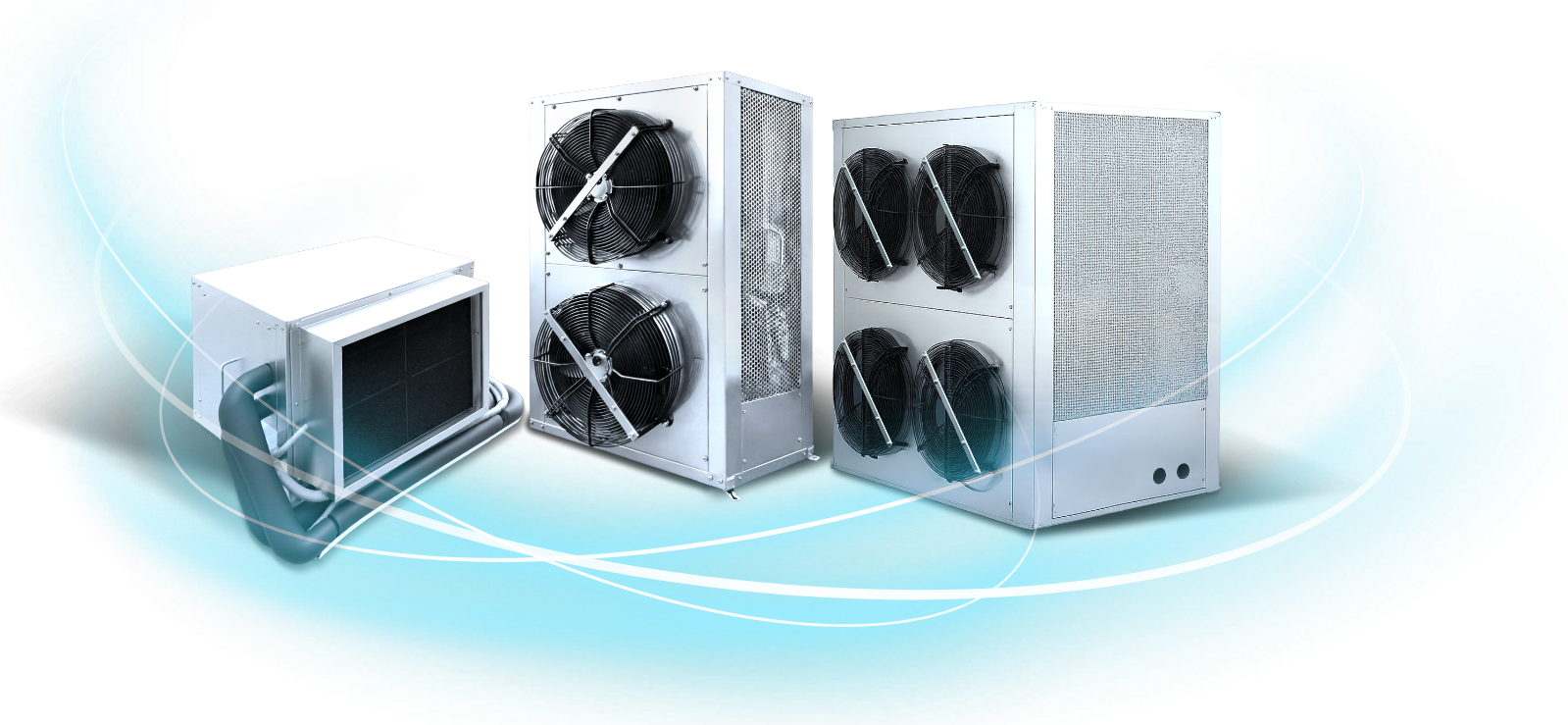
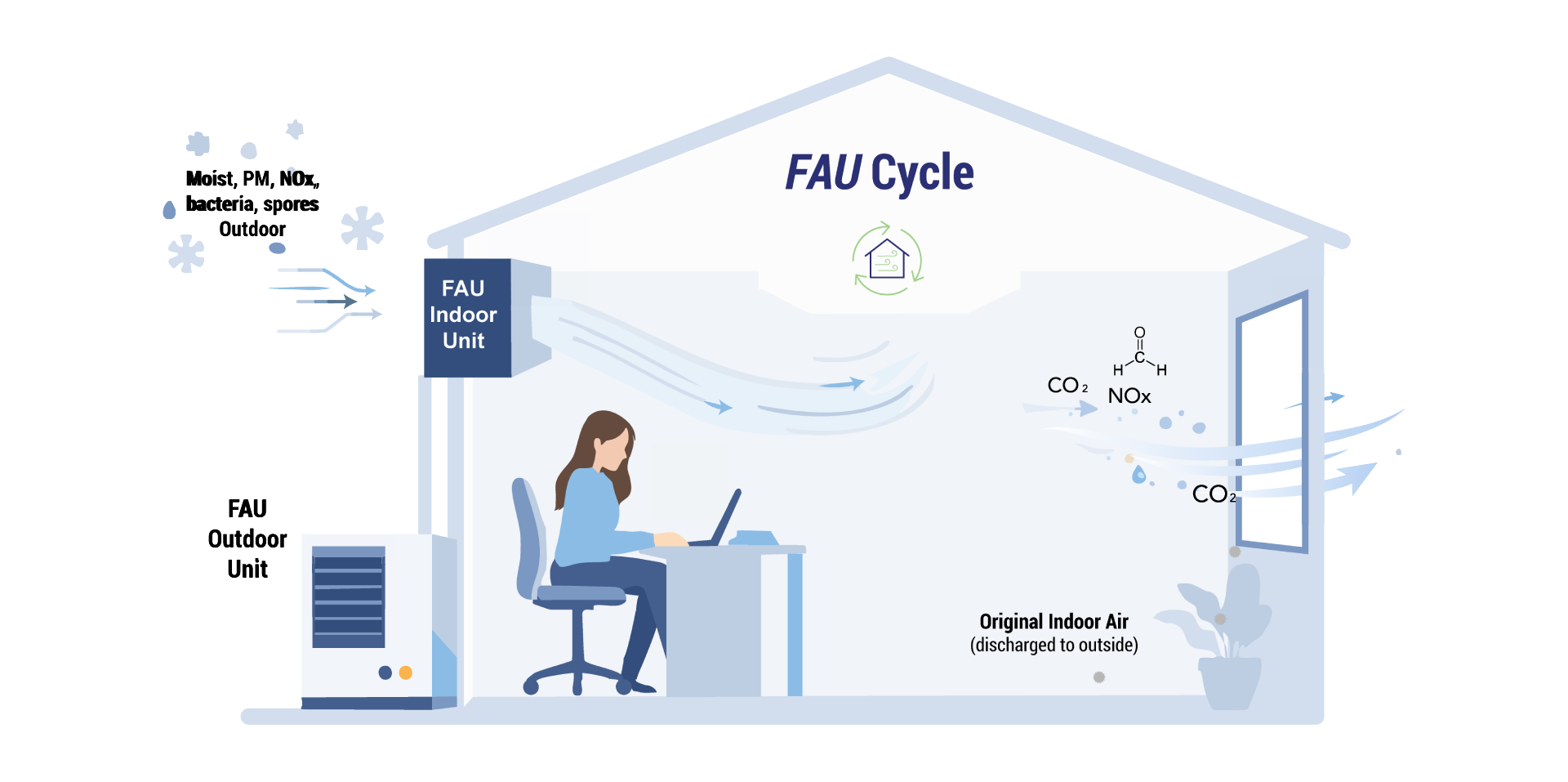
The secret to staying cool even with open windows / open kitchen: KINS Fresh Air Unit (FAU) technology enables a continuous flow of fresh air while maintaining cooling efficiency.


How It Works:

  • Traditional A/C operates well in a fully enclosed environment, operating in semi-enclosed places is causing condensation and excessive indoor humidity. Modern buildings cannot be completely sealed, e.g. tiny gaps, exhaust fan, kitchen fan hood, making humidity control difficult.
  • FAU technology draws fresh outdoor air into the room, pre-cools and dehumidifies it, creating a comfortable indoor climate without using conventional A/C.


Therefore, FAU can remove excess moisture, reducing skin and respiratory discomfort. Maintains cool temperatures with fresh air circulation instead of recirculated air indoor.

0
+
Installations
0
+
Years
0
+
Countries

How does FAU works (The Fresh Air Revolution)

ENERGY SAVING

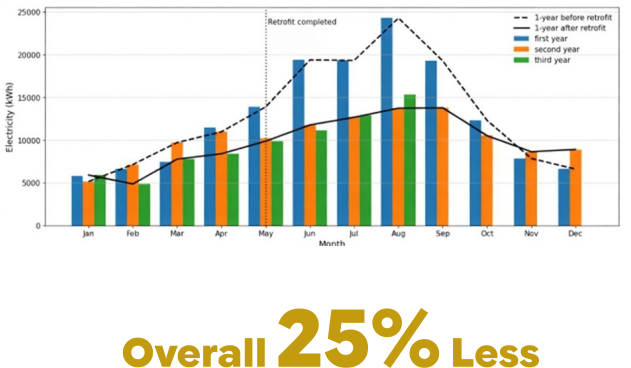
Hong Kong's commercial buildings consume extremely high amounts of electricity for air conditioning, with traditional systems resulting in astonishing annual energy usage.


The KINS Fresh Air Unit (FAU) introduces an intelligent fresh air system, complemented by positive room pressure and deep dehumidification technology. This approach maintains excellent indoor environmental quality while significantly reducing overall energy consumption.


Take, for example, a well-known office building in Hong Kong that underwent a renovation:

Self Photos / Files - icon-Cost_Effectiveness   Cost Effectiveness


Payback period : 3 years


Energy Efficiency & Cost Savings

Year 1 Summer: Energy usage cut from 1,423,000 kWh to 635,000 kWh

55.4% Savings

Year 2 Summer: Maintained efficiency at 645,000 kWh

54.7% Savings

Cost Analysis:

If total retrofit cost: HK$2.4M

Net energy saving ~778,000kWh(55%)

~HK$0.98millions.

Self Photos / Files - icon-Electricity_Consumption   Electricity Consumption


Self Photos / Files - Energy_Saving_1


Self Photos / Files - icon-Damage-1   Damage Prevention

Self Photos / Files - icon-Damage-2     Paint Peeling & Blistering

Self Photos / Files - icon-Damage-3     Mold & Fungal Growth

Self Photos / Files - icon-Damage-4     Woodwork & Furniture Warping
Annual Savings Category Estimated Value
Direct Energy Savings HK$ 117,000
Maintenance (Painting/Mold) HK$ 75,000
Asset Lifespan Extension (5 to 10 yrs) HK$ 180,000


Self Photos / Files - Energy_Saving_2

Self Photos / Files - Energy_Saving_3

Other_Technology-img

Other Technology

img-showcase-1
2 Comp 3 Coil
The unique KINS design that evolves from the harshest tropical outdoor weather in HK and the unshakable standard of us to provide the best and the most stable pretreated fresh air. With our rich experience in HVAC systems, we manufacture this unique system ourselves in order to provide the best energy saving out of cooling, dehumidification, heating, and free cooling, and be able to overcome all seasons.
img-showcase-10
Pre-Cooling
In order to save energy, unlike traditional air conditioners, the KINS FAU technology is designed to achieve a calm/ mild cooling effect, i.e., room temperature 25-27 °C, without overshooting on temperature.

Indeed, under the concept of psychometric, we enthasize comfortably can be achieved for free. With the KINS precooling process, with the help of AI, the best dehumidification design point for pretreated fresh air is automated by a minimum/ stable energy recovery process.
img-showcase-4
Precise Humidity Control
With the recent R&D input, AI technology is perfectly utilized to control automatically in both feed-forward and feed-back loops, to achieve industrial standards, i.e., 40% or a general comfort region 60+%, all possible with KINS FAU technology. If you have any special needs, come to our specialist. We have experience in heritage, church, basement, high-value warehouse, textile special processing, and controlled laboratory climate. Adjustable, automated, all-season stable +/- <5% and easy to monitor. Compatible with SCADA, IOT, or traditional BMS.
img-showcase-3
All Season Smart Control Mode
KINS FAU features an AI-driven, fully automatable control architecture. Because we design and manufacture our own sensors, actuators, and mechanical structures, the system achieves seamless integration from DDC to the cloud dashboard. This enables the FAU to intelligently adapt to Hong Kong's full range of weather conditions — from sweltering humidity to chilly dryness — switching automatically between cooling, dehumidification, free cooling, and heating modes. Smarter, more responsive, and built for today's connected building ecosystem.

Project Showcases

20210408_170340
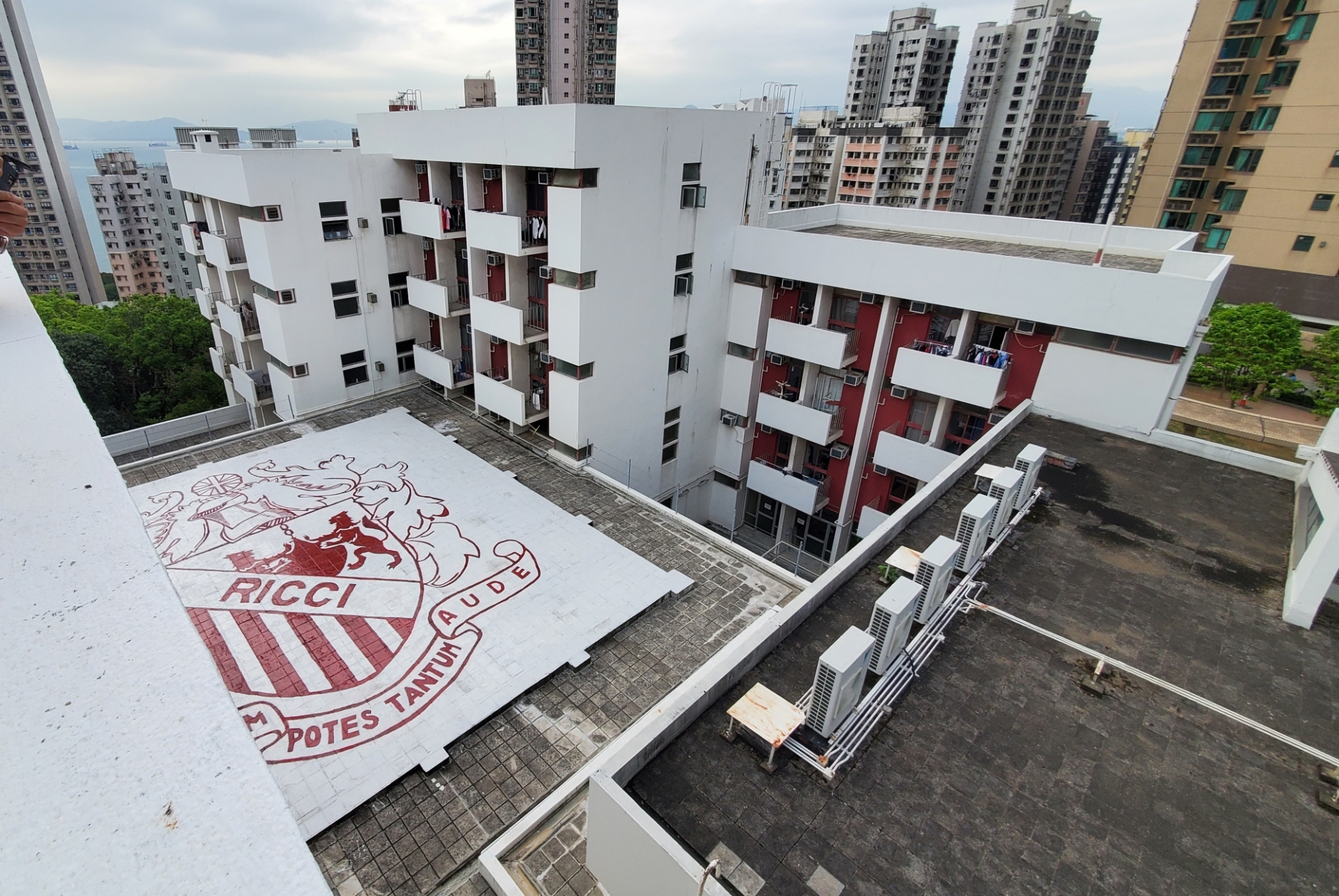
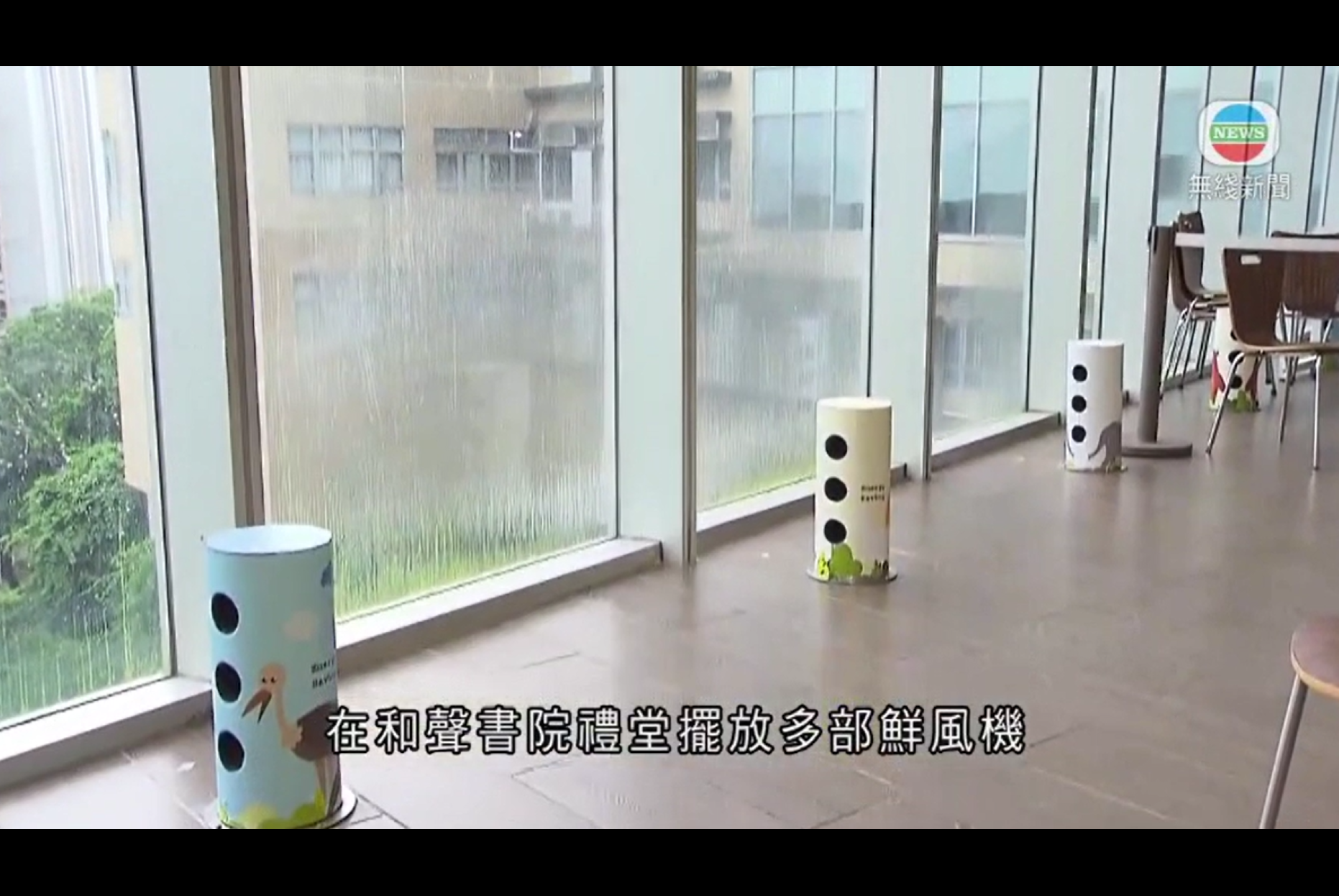
The University of Hong Kong, Ricci Hall

Project Introduction Ricci Hall at The University of Hong Kong has introduced the KINS fresh air unit primarily to address the challenges of ventilating large spaces and persistently high humidity.   The system draws fresh air from outdoors, pre-cools it, deep-dehumidifies it, and then delivers it evenly under positive pressure to multiple floors and public areas. Even with open windows, door gaps, or open-plan designs typical of dormitory settings, the indoor environment maintains a comfortable temperature and low humidity levels, preventing stuffiness caused by outdoor moisture intrusion.   At the same time, the fresh air unit’s pre-cooling and deep dehumidification capabilities provide a comfortable environment for students while helping protect the historic building structure from long-term humidity-related damage.   Key Results The fresh air unit has significantly improved air circulation throughout the large dormitory spaces. By continuously supplying pre-cooled and dehumidified fresh air, humidity is effectively controlled, greatly reducing mold growth, dampness, stuffiness, and poor air quality issues, thereby substantially enhancing overall living quality.   In addition, the pre-cooling function of the fresh air unit does not excessively lower the indoor temperature, yet it provides the optimal operating conditions for the existing air-conditioning system. This delivers meaningful benefits in terms of environmental sustainability and reduced operating costs for the dormitory.

IMG_20200623_164822
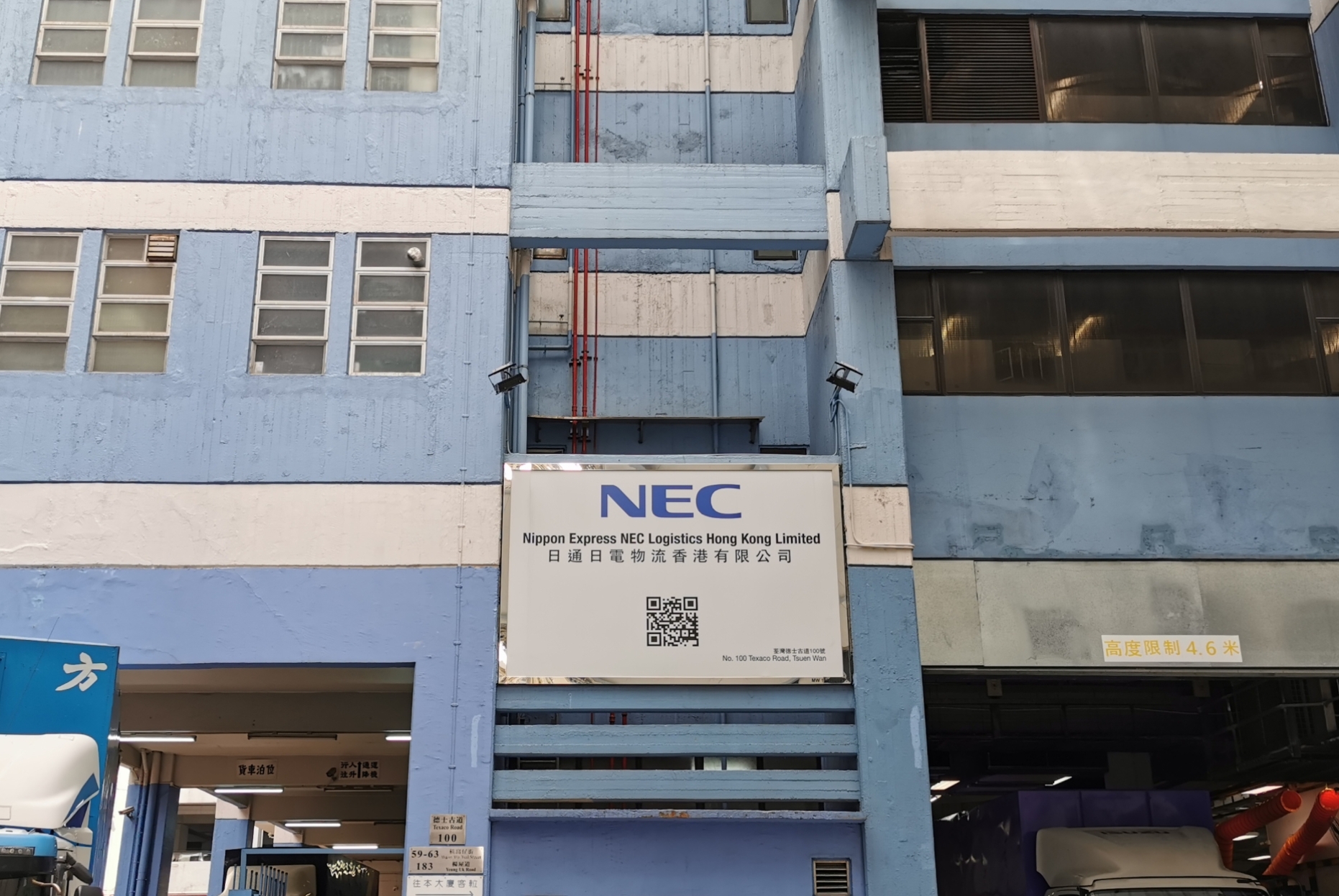
Nippon Express NEC Logistics Hong Kong Limited

Project Introduction NEC’s goods warehouse has introduced a fresh-air system. By optimising airflow and using a 3-coil heat-exchange mechanism, it replaces the traditional high-power air-conditioning system. This creates a cooler and more comfortable working environment while still meeting the customer’s temperature requirements for the warehouse.   At the same time, the fresh-air units offer strong humidity control. They effectively prevent condensation from forming on the walls of other floors, maintain stable humidity levels, and help avoid mould growth as well as damage to precision components.   In addition, because the warehouse temperature remains stable on average throughout the year, the system also reduces the operational management burden.   Key Results The application of the fresh-air system has significantly improved the warehouse’s energy efficiency. Air-conditioning system power consumption dropped from the original 97.5 kW to approximately 7.5 kW, delivering substantial energy savings and lowering long-term operating costs.   Through precise airflow control, overall temperature distribution has become more uniform, avoiding localised overheating or uneven cooling.   Humidity management has also been highly effective: water seepage and condensation problems have been reduced, a dry storage environment is maintained, and the preservation quality of the goods has been enhanced.

20231025_171253
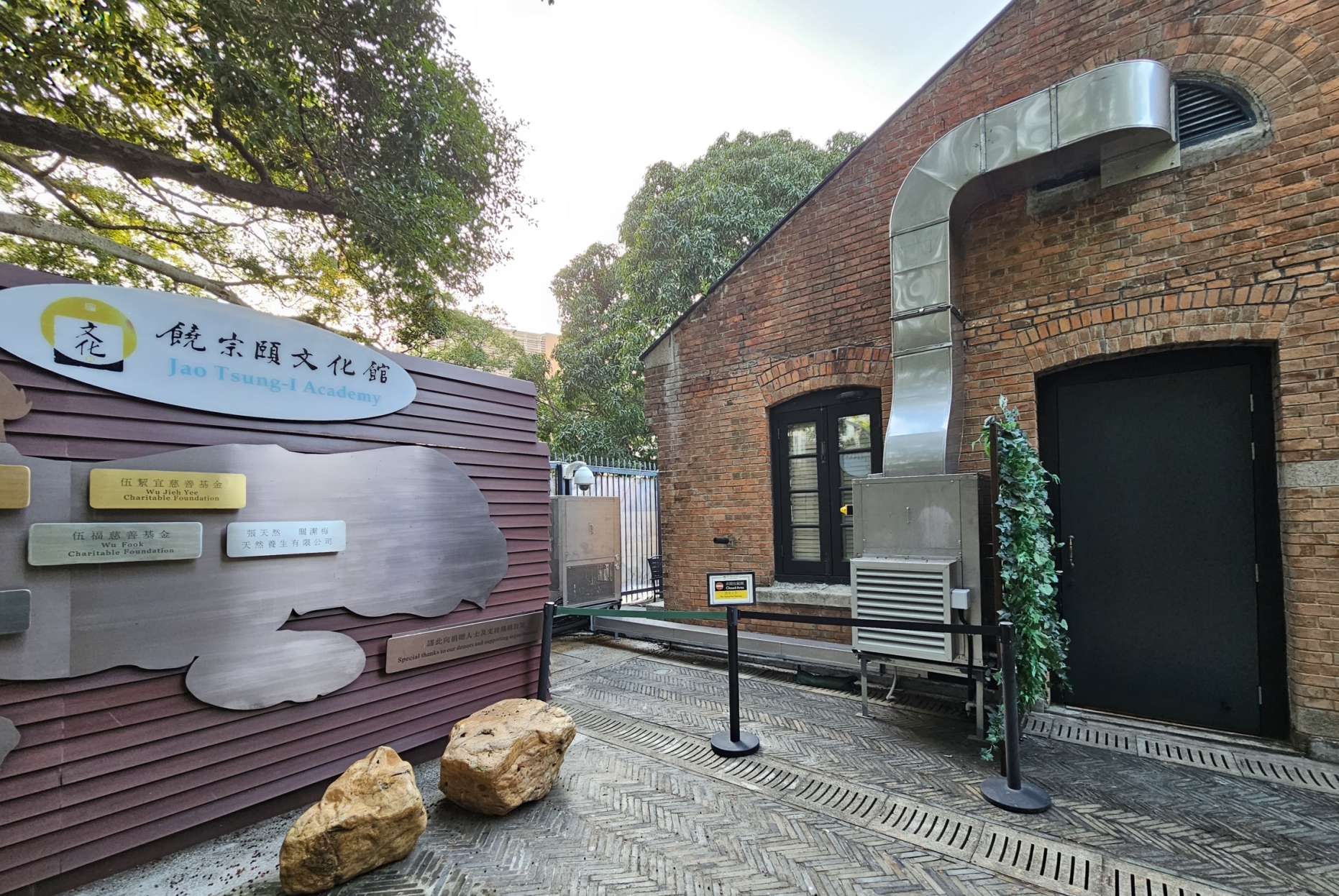
Jao Tsung-I Academy

Project Introduction Jao Tsung-I Academy has introduced an intelligent fresh-air system primarily to address humidity issues.     The system is equipped with advanced real-time temperature and relative humidity sensors, combined with an automatic adjustment mechanism, to maintain a stable indoor temperature and humidity environment. This effectively prevents mould growth or material corrosion of cultural relics caused by dampness, while improved air circulation also reduces problems such as musty odours.     At the same time, the system protects the integrity of the building structure. Without compromising cultural value or historical authenticity, it provides long-term and proper protection for cultural relics and heritage buildings.   Key Results The application of the fresh-air system has brought significant improvements to the environment of Jao Tsung-I Academy. Humidity is controlled within the range of 45–60% RH, effectively preventing mould growth and the accumulation of odours.   In terms of structural protection, condensation problems have been eliminated, avoiding moisture or damp air penetration that could damage books, manuscripts, and the building itself, thereby allowing cultural relics to be preserved for a longer period.   Overall temperature and humidity have become more stable. The indoor environment no longer experiences sudden changes to being too cold or too hot, or too dry or too humid. The exhibition spaces feel more comfortable and pleasant. In addition, long-term operation can achieve approximately 22% energy savings, helping to reduce operating costs.

20210514_155139
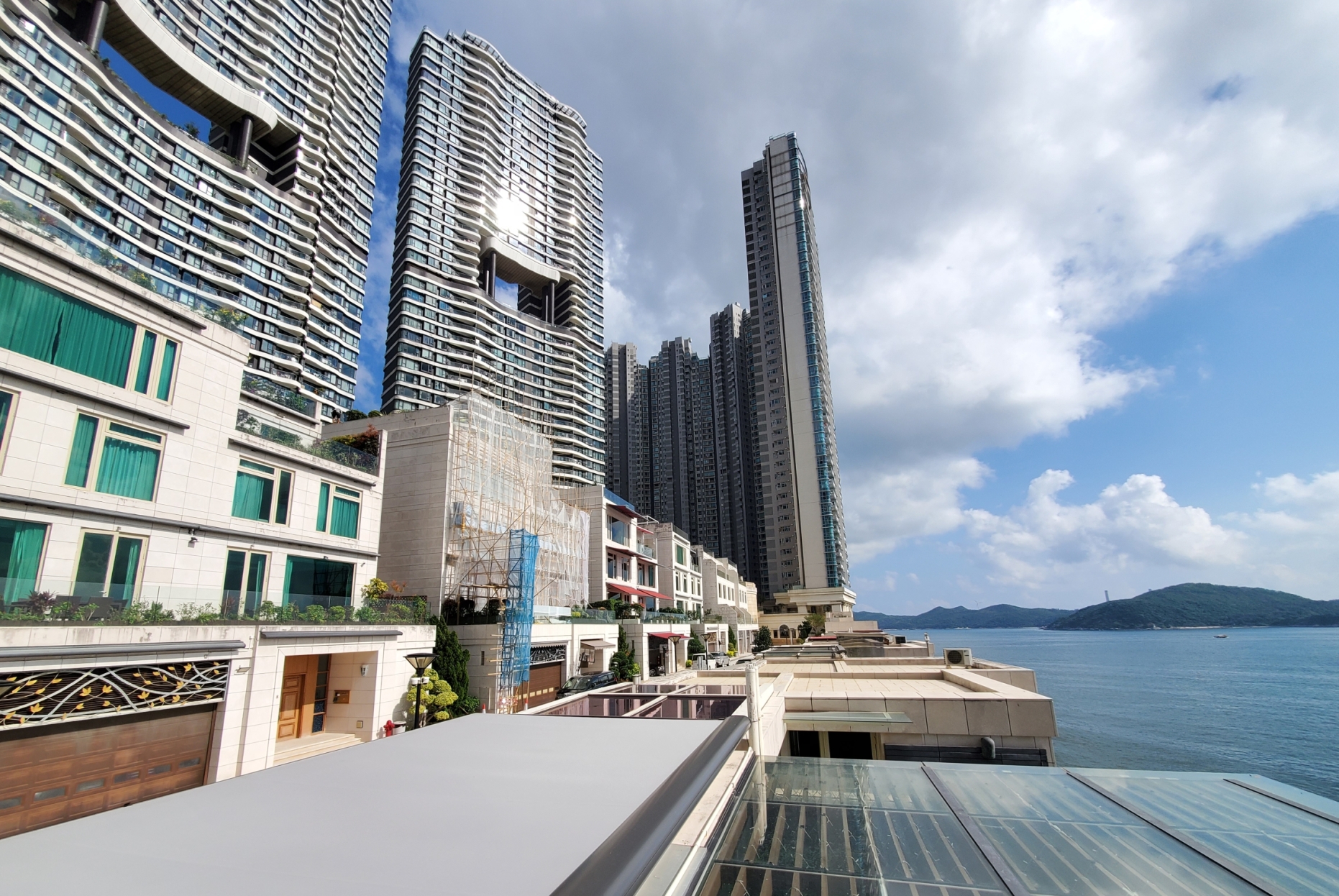
Luxury Residence

Project Introduction Southern District of Hong Kong has humid air all year round. Kins fresh-air units can effectively control indoor humidity.     In a detached house residential project in the Southern District, the fresh-air system works together with the air-conditioning system to deliver high energy efficiency and humidity control, while supplying fresh air to every space in the house.     The system adopts advanced heat-exchange technology and intelligently regulates humidity levels. At the same time, it prevents mould growth and mould damage to walls and corners caused by a damp environment, eliminating the need for frequent renovation, touch-up painting, and redecoration.     In addition, it continuously introduces fresh air, improves indoor air quality, keeps the spaces fresh and well-ventilated, and enhances overall living comfort. It is particularly suitable for luxury residences in high-humidity areas, ensuring that residents enjoy a healthy and livable environment without affecting the original architectural aesthetics.   Key Results The application of the fresh-air system in residential properties has delivered significant results. Indoor humidity is maintained at around 60%, effectively removing dampness and odours, making the indoor environment drier and more comfortable.     Feedback from residents shows that problems of stale air have clearly improved, the feeling of stuffiness and confinement is avoided, symptoms of headache and fatigue have decreased, and overall comfort has increased. Family members can feel the continuous flow of fresh air in their daily lives.

img-showcase-7
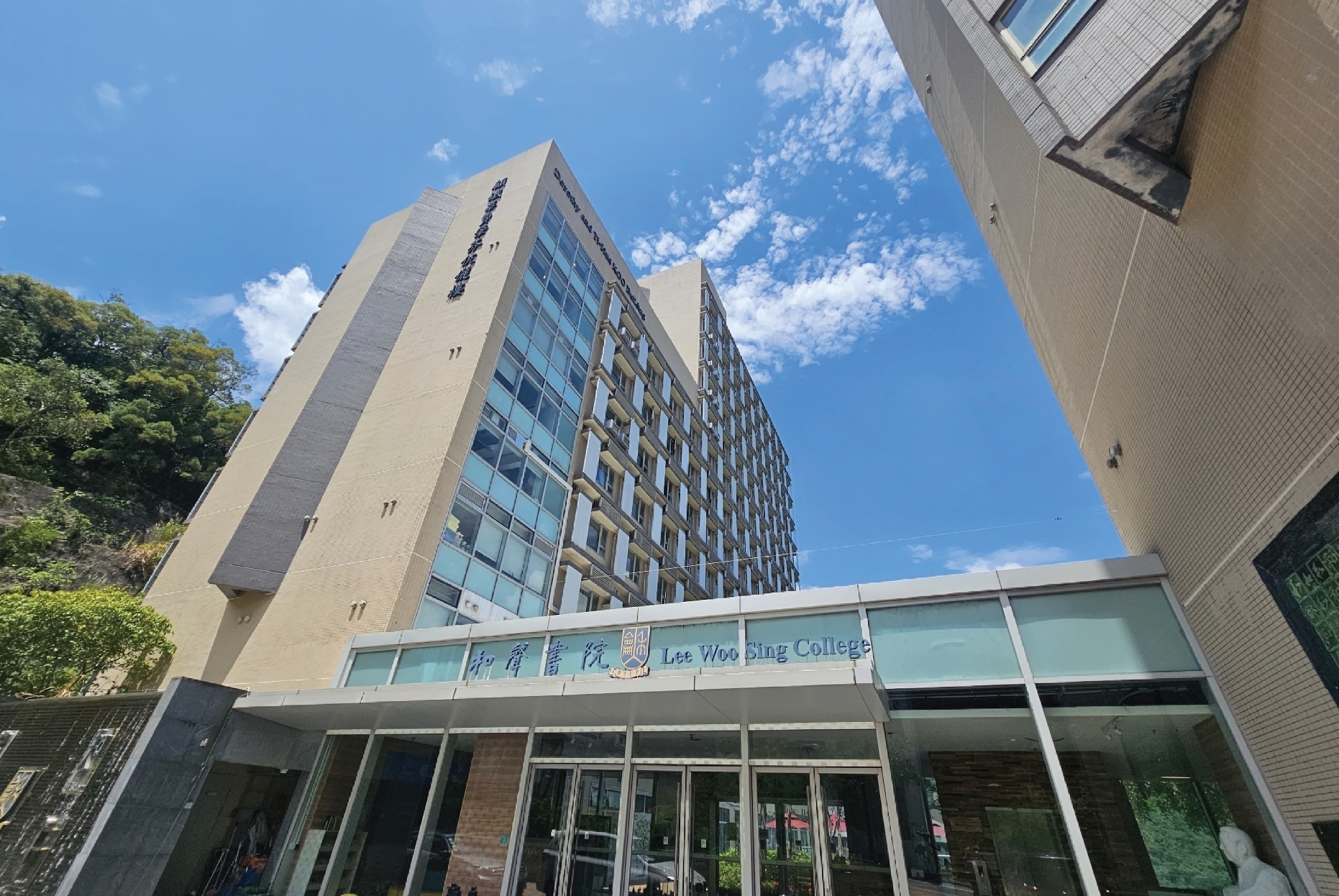
The Chinese University of Hong Kong - Lee Woo Sing College Canteen

Project Introduction During peak hours, the university canteen experiences high foot traffic. Oil fumes, food odours, and humidity are relatively heavy. Combined with the strong exhaust volume from the kitchen, clear negative-pressure zones appear. The space is also open and has many entrances/exits that cannot be frequently closed, resulting in relatively poor air quality. Traditional air-conditioning is therefore unable to effectively cool or ventilate the space.     By adopting a fresh-air system, the overall environmental quality of the canteen can be improved, making the dining experience more comfortable and healthier.     The system uses pre-cooling combined with deep dehumidification technology. Fresh air is drawn in from outdoors, pre-cooled and deeply dehumidified, then supplied indoors under positive pressure. Even with an open-kitchen design, and when doors and windows are wide open, or the kitchen exhaust hoods are running at full capacity during peak dining hours, the indoor environment remains cool and dry without becoming stuffy or humid.     The system also effectively reduces the original air-conditioning load, improves air circulation and freshness, and integrates IoT technology. This allows real-time monitoring of air data, system performance, and environmental indicators, facilitating remote management and optimisation.   Key Results The fresh-air system can deliver approximately 26–40% energy savings, reducing electricity consumption by about 44,076 kWh per year. The payback period is around 3 years.     Through pre-cooling, deep dehumidification and positive-pressure fresh-air design, the air-conditioning load is effectively reduced, and highly efficient energy utilisation is achieved. Even when the air-conditioning is set to 24°C, or turned off during non-peak periods, the indoor temperature can still be maintained at around 27°C, which is superior to the traditional low-temperature air-conditioning mode.

08113135-k-cellars-entrance_cover_1599x1066
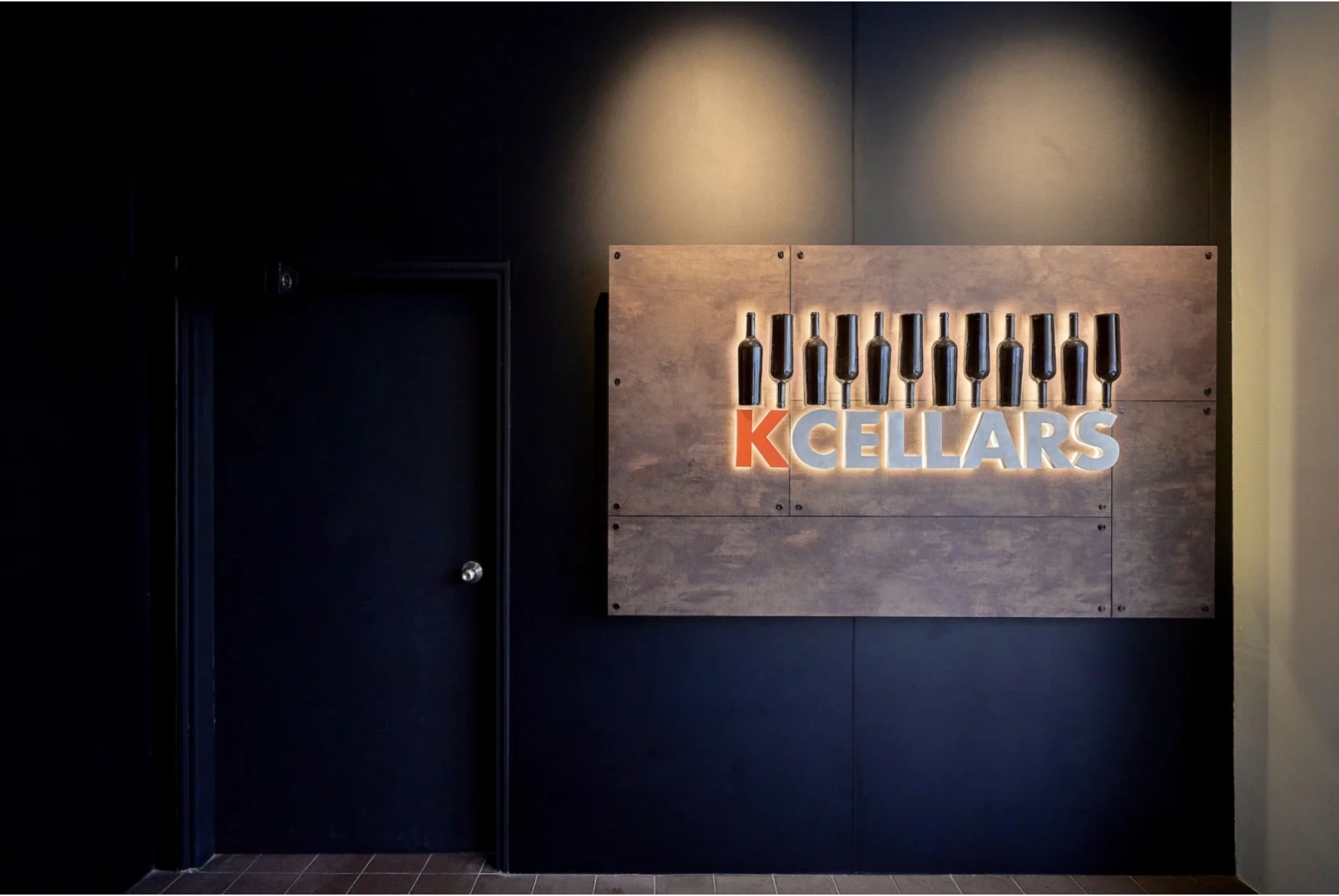
K Cellars

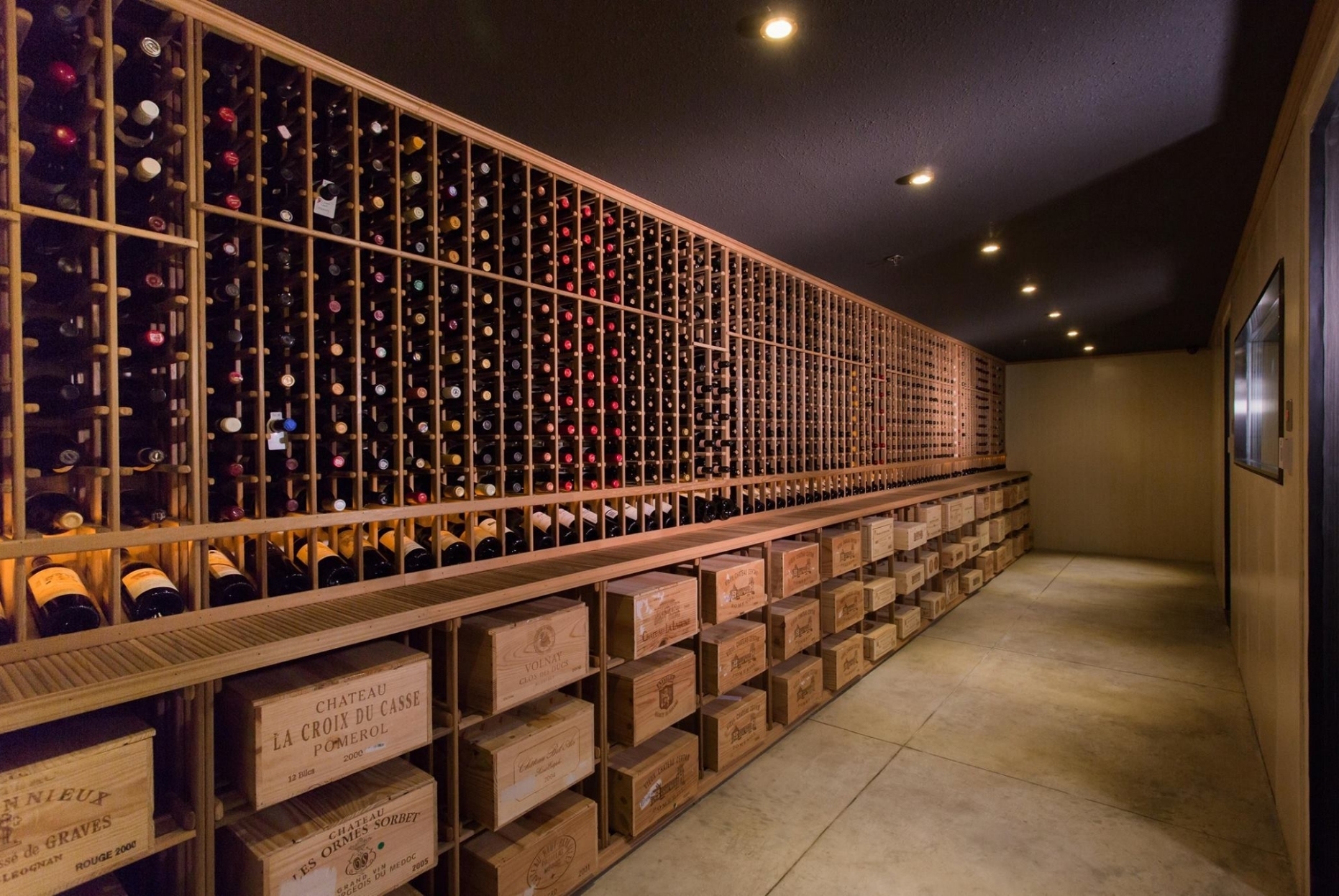
Project Introduction K Cellars provides storage space for fine wines. The wine cellar is kept at a low temperature all year round. When doors are opened, or during construction, the space is not fully sealed, which easily causes condensation inside. Although a humidifier is installed in the cold room, traditional split-type air-conditioning cannot fully remove moisture. This leads to mould growth at fixed points and even product spoilage or ceiling collapse due to excessive humidity.     By introducing a fresh-air system, the indoor temperature is maintained at 16°C and relative humidity is stabilised at around 65%. This effectively prevents oxidation, mould growth, and label damage caused by overheating, over-drying, or excessive humidity. There is no longer any need to worry about air entering through gaps when doors are opened or closed, and condensation inside the cold room is also avoided. The environment naturally maintains proper humidity and promotes indoor air circulation.   Key Results After the introduction of the fresh-air system, temperature or humidity fluctuations that could negatively affect the flavour of the wine, the wine body, and long-term ageing have been effectively avoided.   Through the pre-cooling and intelligent heat-recovery mechanism, the system significantly reduces the original constant-temperature equipment load. Energy consumption is more than 30% lower than that of traditional wine-cellar air-conditioning systems, resulting in a clear reduction in long-term operating costs.

9b0a3872_0
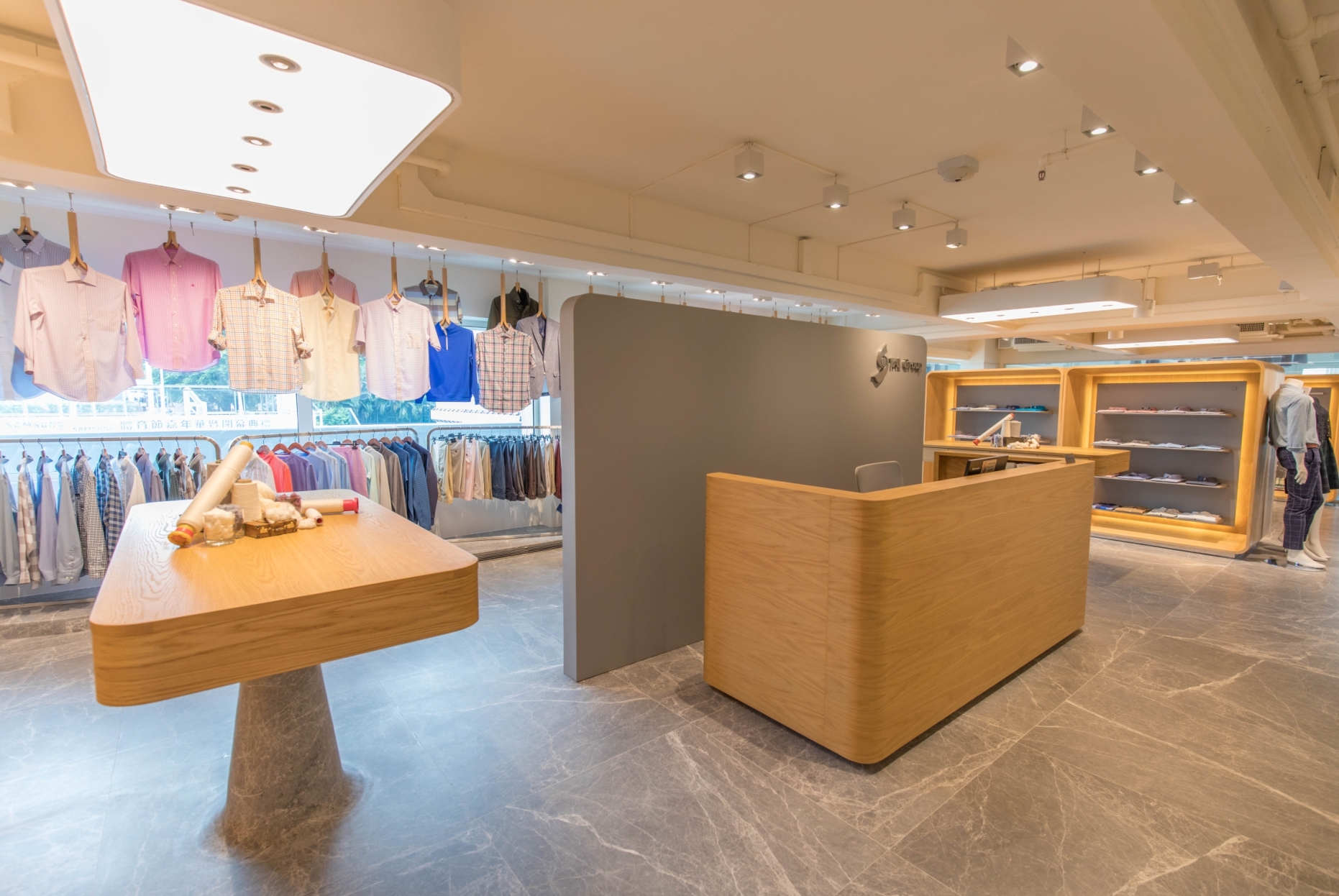
TAL Building

Project Introduction Hong Kong commercial buildings often face high-density occupancy and problems of stuffiness and humidity. In addition to improving indoor air quality, the fresh-air system adopts an advanced HVAC system that uses a complete treatment process of “high-efficiency heat recovery + pre-cooling + deep dehumidification”. Filtered and deeply purified clean fresh air is steadily supplied into the interior, establishing a comfortable low-temperature and low-humidity foundational environment.     The system continuously supplies highly filtered and treated fresh air. It not only effectively controls and removes major indoor pollutants, but also significantly reduces odours and bacterial growth, thereby greatly enhancing the freshness and cleanliness of indoor air. This creates a healthy, odour-free office environment with low pollutant concentrations for employees, fundamentally improving the health risks and comfort issues caused by long-term poor indoor air quality.   Key Results Advanced heat-exchange technology promotes efficient circulation of indoor and outdoor air, avoiding feelings of stuffiness and confinement. Stable fresh-air supply is maintained during peak periods, improving air circulation by more than 40% and creating a comfortable and pleasant office atmosphere.     Pre-cooling technology further ensures the indoor environment remains cool without feeling muggy, and reduces the original air-conditioning load. Through the above comprehensive optimisations, the system’s overall energy consumption is reduced by approximately 30%, with an investment payback period of only about 3 years. This achieves both healthy comfort and significant energy-saving economic returns.

img-booklet

Download & Resource