CONTROL / IOT

Introduction

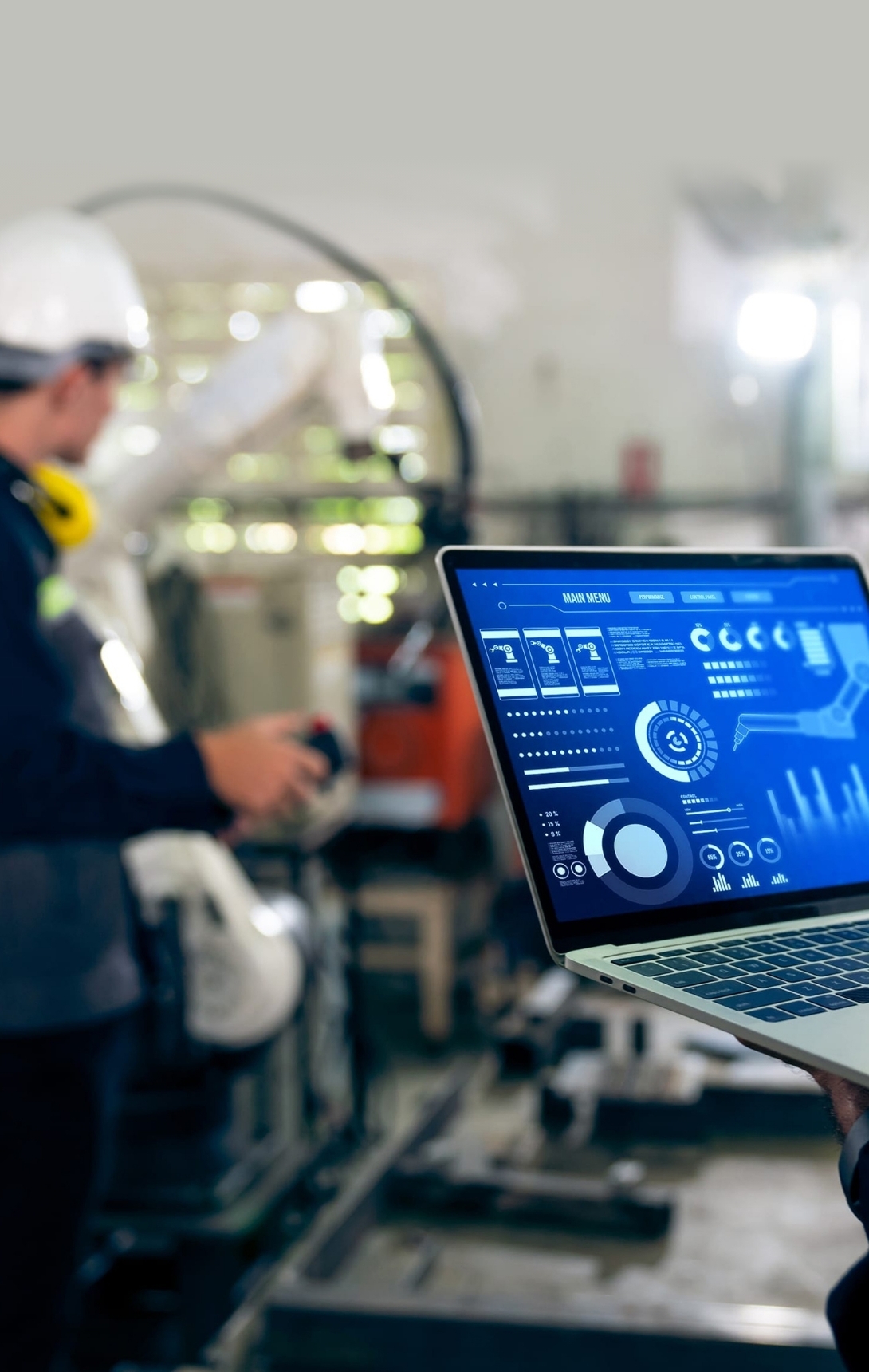
Our Internet of Things (IoT) business is a core area of the company’s smart building and energy-saving solutions. By integrating advanced sensors (wired and wireless), cloud platforms, and AI algorithms, we provide remote monitoring, control, and data analysis services.


Our self-developed IoT cloud platform for equipment management and monitoring is a tailor-made smart solution for commercial buildings, factories, office spaces, and public facilities. It combines cloud technology with IoT to bridge the gap between managers and facility control, making systems such as air conditioning, water utilities, solar power, and electricity smarter, more energy-efficient, and more cost-effective.
Core Value

Real-time Cloud Monitoring

Sensors on equipment (AC, distribution boxes, lighting) collect data 24/7—power, temperature, humidity, status, faults—uploaded securely to the cloud. Users access health reports anytime via app or dashboard.

Remote Control & Automation

Supports remote switching, temperature settings, and zone control. Adjust building equipment from office, home, or travel with one click.

Smart Energy Management

Analyzes usage and environment data, offering proactive savings—reduce loads at peak, low-energy mode off-hours.

Predictive Maintenance

Trend analysis detects aging, inefficiency, or faults early. Sends alerts to prevent breakdowns and cut emergency repair costs.

External Monitoring Components

Adds smart modules to legacy equipment lacking communication. Enables two-way management, boosting efficiency and reliability.

Tung Ping Chau Solar Power Management System

(Home Affairs Department Project)

We have developed a dedicated intelligent management platform for energy and water equipment, specifically designed for islands, remote areas, or small to medium-sized solar scenarios.


MAIN FEATURES


Self Photos / Files - icon-Features-1

Full Inverter Integration


Two-way monitoring with automated wells, tanks, and pumps (manual override include)

Self Photos / Files - icon-Features-2

Solar Monitoring 


Real-time output, cumulative data, daily/monthly/annual reports


Self Photos / Files - icon-Features-3

Battery Status 


SOC, charge/discharge current, model info

Self Photos / Files - icon-Features-4

Alerts 


Inverter faults, low battery, panel efficiency drop


Self Photos / Files - icon-Features-5

Energy Independence 


Self-sufficiency rate, remaining energy forecast

Self Photos / Files - icon-Features-6

Pump Monitoring 


Power use, operating status, overload/trip alerts


Self Photos / Files - icon-Features-7

Smart Interlock 


Detects dry-run/cavitation, auto shutdown for protection

Self Photos / Files - icon-Features-8

Tank Monitoring 


Water volume changes, peak usage, abnormal/illegal consumption alerts


Self Photos / Files - icon-Features-9

Custom Control 


User-defined thresholds and activation conditions

Self Photos / Files - icon-Features-10

Account Management 


Multi-user creation, permissions, full monitoring

img-System

This system is particularly suitable for island resorts, remote facilities, and solar microgrid projects. It can quickly integrate with existing solar inverters and expand compatibility with other energy systems (such as wind, thermal, hydro, diesel generation, or mechanical equipment). In addition, we provide customized services tailored to different environmental needs.

img-showcase-12

Air Quality Monitoring Solution

Air quality control is an essential part of modern life, as high concentrations of pollutants can negatively impact human health. We provide indoor and outdoor air quality monitoring systems, particularly suitable for office buildings, schools, hospitals, factories, and similar environments.

MAIN FEATURES

Monitoring indicators

PM2.5, PM10, CO₂, TVOC, CO, SO₂, NO₂, O₃, temperature, and humidity

AQI Calculation

Computes the Air Quality Index and displays health recommendation levels (Green → Purple)

HVAC integration

When CO₂ or PM2.5 exceed limits, the system automatically enhances fresh air supply or activates air purification

This solution has already been adopted by multiple clients in smart building projects, integrating with HVAC systems to achieve the dual benefits of “healthy air + energy savings.”

Smart Energy Management System

A cloud-based energy monitoring and optimization solution, designed for commercial buildings, factories, and office spaces.


Main Features

img-showcase-13
Self Photos / Files - icon-Features-b-1

Real-time electricity monitoring (main meters, sub-meters, air conditioning, lighting, etc.)

Self Photos / Files - icon-Features-b-2

Energy flow diagrams, peak/off-peak analysis, historical trend comparison

Self Photos / Files - icon-Features-b-3

Automated energy-saving strategies (e.g., reduce AC load after hours, abnormal high-consumption alerts)

Self Photos / Files - icon-Features-b-4

Supports photovoltaic and storage integration, showing generation, self-use rate, and grid feed-in

Self Photos / Files - icon-Features-b-5

Energy-saving reports and ESG carbon calculations to help clients quantify investment return

We provide a standard “Smart Energy Monitoring” Demonstration Dashboard, designed to give users a clear and comprehensive view of their energy systems. The dashboard allows real-time visualization of multiple electricity meters simultaneously, along with instant alerts and detailed energy consumption curves. This enables facility managers to quickly identify abnormal usage, track performance trends, and make informed decisions to improve efficiency and reduce costs.


Click Here

Project Showcases

IMG_20200623_164822
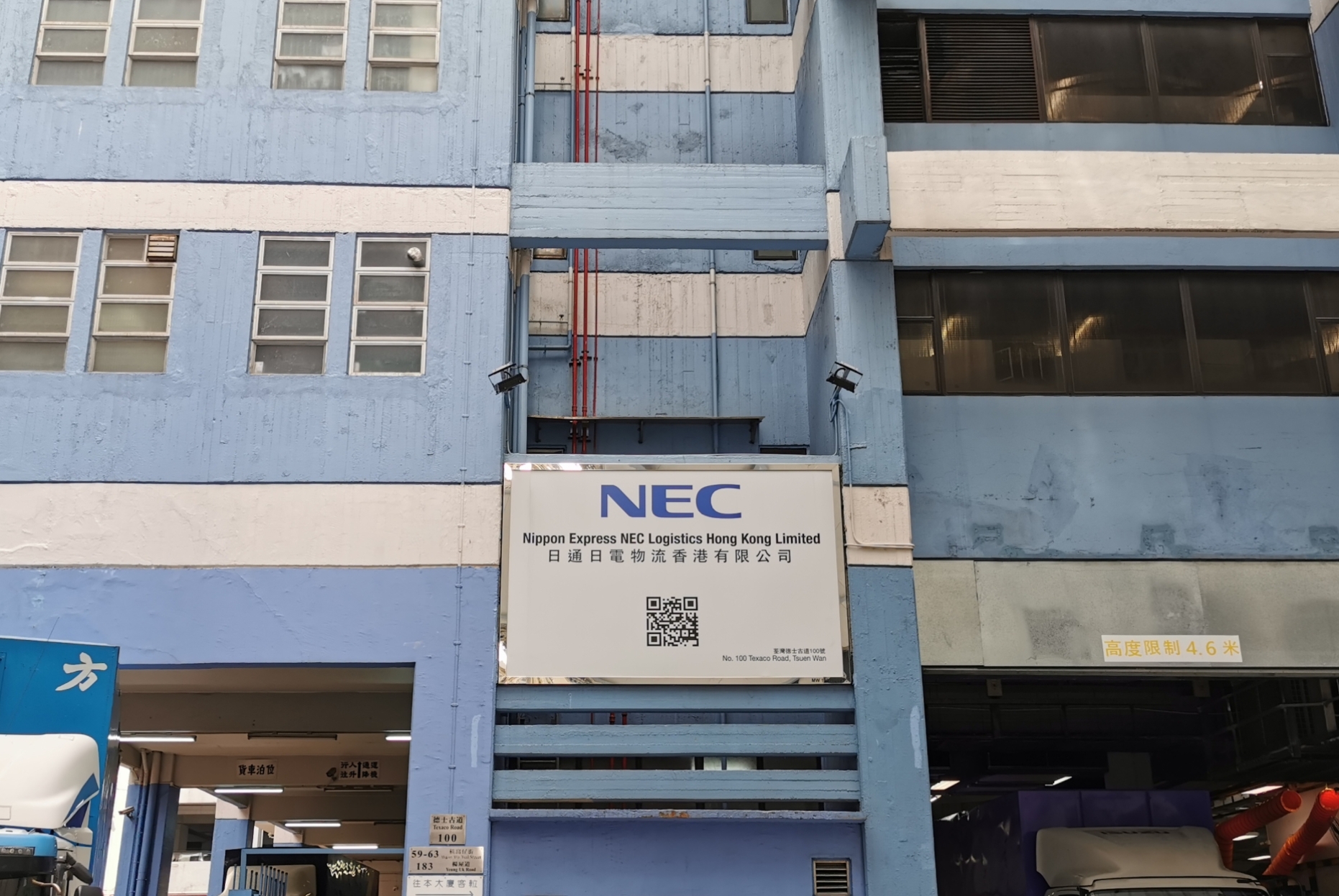
Nippon Express NEC Logistics Hong Kong Limited

Project Introduction NEC’s goods warehouse has introduced a fresh-air system. By optimising airflow and using a 3-coil heat-exchange mechanism, it replaces the traditional high-power air-conditioning system. This creates a cooler and more comfortable working environment while still meeting the customer’s temperature requirements for the warehouse.   At the same time, the fresh-air units offer strong humidity control. They effectively prevent condensation from forming on the walls of other floors, maintain stable humidity levels, and help avoid mould growth as well as damage to precision components.   In addition, because the warehouse temperature remains stable on average throughout the year, the system also reduces the operational management burden.   Key Results The application of the fresh-air system has significantly improved the warehouse’s energy efficiency. Air-conditioning system power consumption dropped from the original 97.5 kW to approximately 7.5 kW, delivering substantial energy savings and lowering long-term operating costs.   Through precise airflow control, overall temperature distribution has become more uniform, avoiding localised overheating or uneven cooling.   Humidity management has also been highly effective: water seepage and condensation problems have been reduced, a dry storage environment is maintained, and the preservation quality of the goods has been enhanced.

20210514_155139
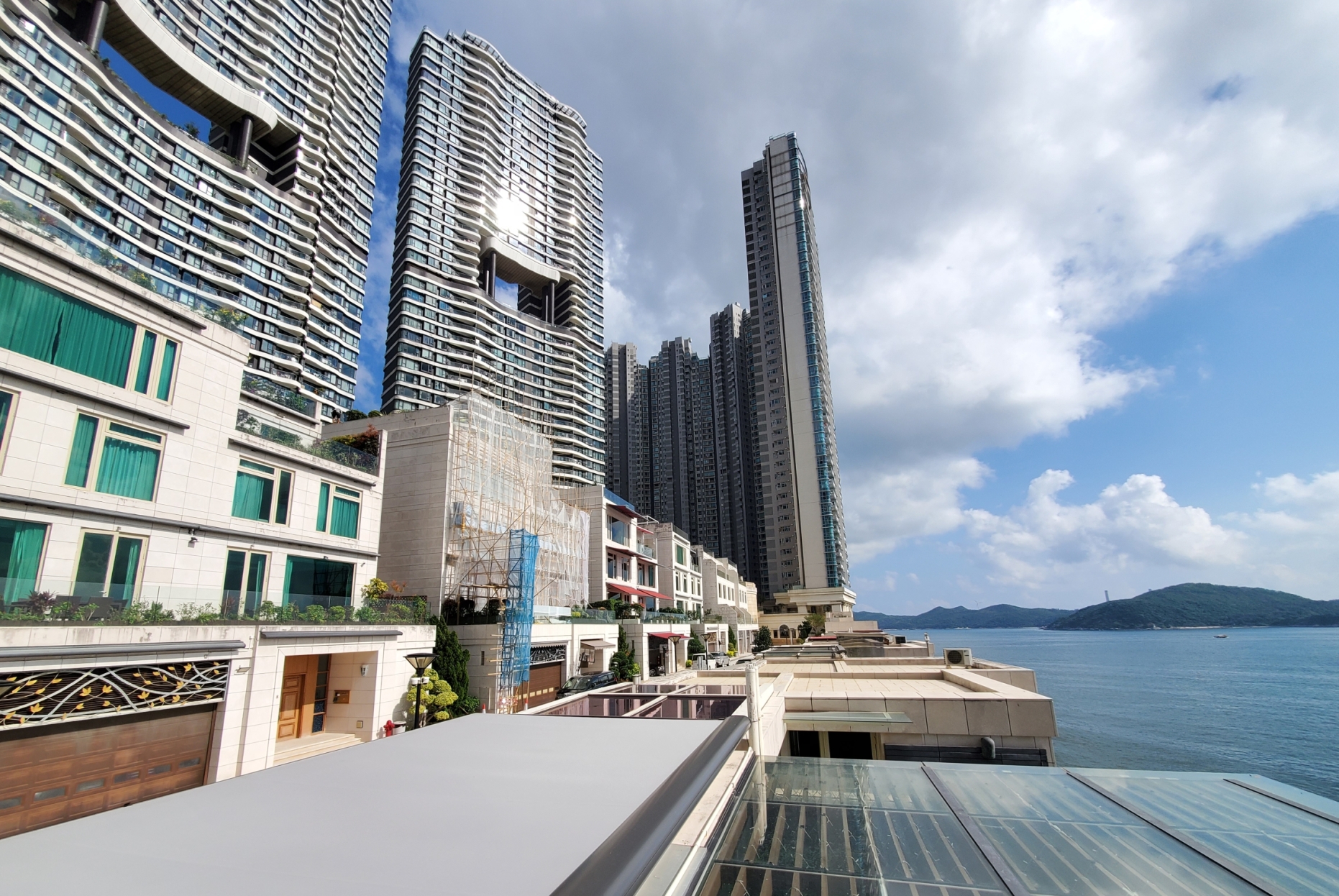
Luxury Residence

Project Introduction Southern District of Hong Kong has humid air all year round. Kins fresh-air units can effectively control indoor humidity.     In a detached house residential project in the Southern District, the fresh-air system works together with the air-conditioning system to deliver high energy efficiency and humidity control, while supplying fresh air to every space in the house.     The system adopts advanced heat-exchange technology and intelligently regulates humidity levels. At the same time, it prevents mould growth and mould damage to walls and corners caused by a damp environment, eliminating the need for frequent renovation, touch-up painting, and redecoration.     In addition, it continuously introduces fresh air, improves indoor air quality, keeps the spaces fresh and well-ventilated, and enhances overall living comfort. It is particularly suitable for luxury residences in high-humidity areas, ensuring that residents enjoy a healthy and livable environment without affecting the original architectural aesthetics.   Key Results The application of the fresh-air system in residential properties has delivered significant results. Indoor humidity is maintained at around 60%, effectively removing dampness and odours, making the indoor environment drier and more comfortable.     Feedback from residents shows that problems of stale air have clearly improved, the feeling of stuffiness and confinement is avoided, symptoms of headache and fatigue have decreased, and overall comfort has increased. Family members can feel the continuous flow of fresh air in their daily lives.

9b0a3872_0
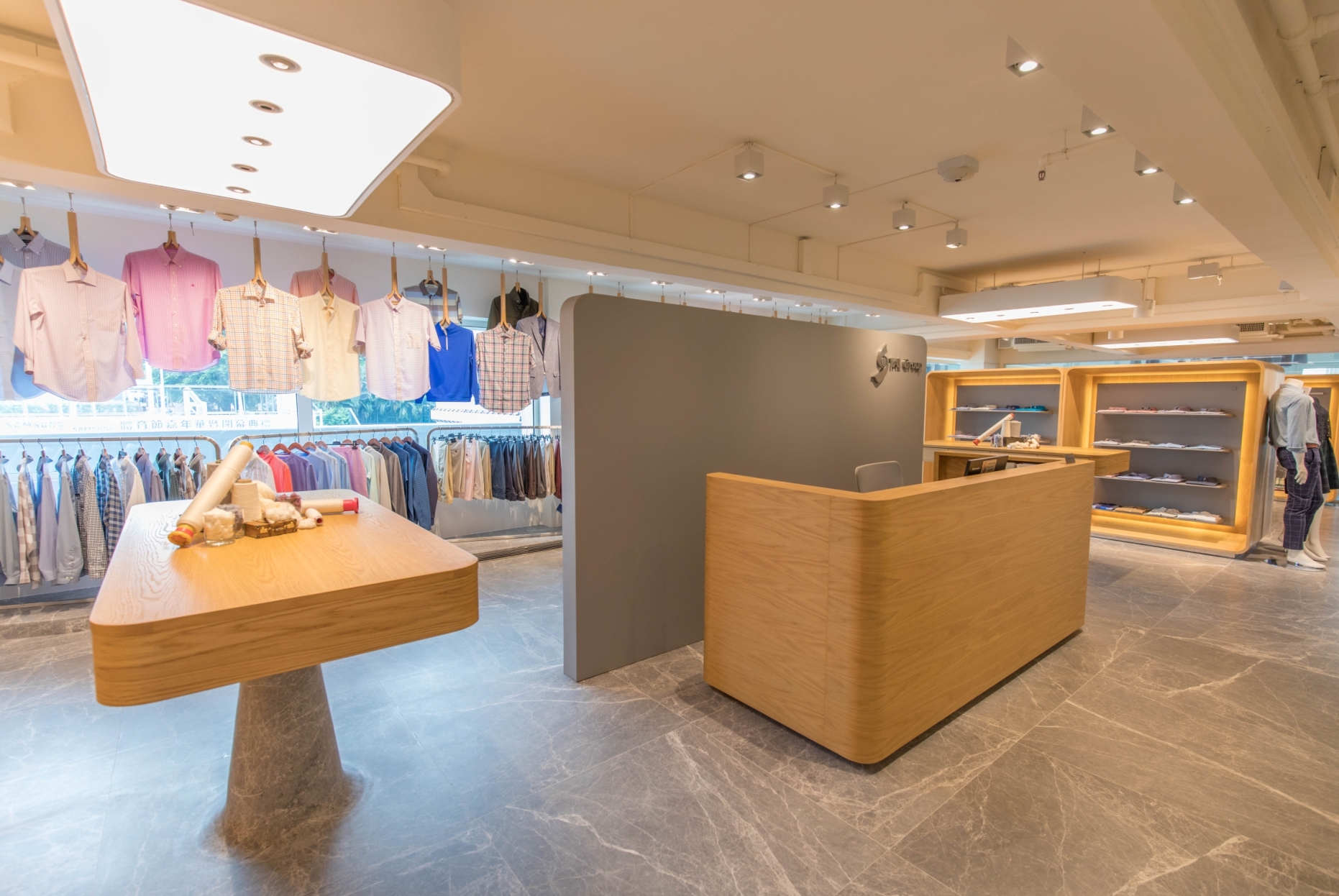
TAL Building

Project Introduction Hong Kong commercial buildings often face high-density occupancy and problems of stuffiness and humidity. In addition to improving indoor air quality, the fresh-air system adopts an advanced HVAC system that uses a complete treatment process of “high-efficiency heat recovery + pre-cooling + deep dehumidification”. Filtered and deeply purified clean fresh air is steadily supplied into the interior, establishing a comfortable low-temperature and low-humidity foundational environment.     The system continuously supplies highly filtered and treated fresh air. It not only effectively controls and removes major indoor pollutants, but also significantly reduces odours and bacterial growth, thereby greatly enhancing the freshness and cleanliness of indoor air. This creates a healthy, odour-free office environment with low pollutant concentrations for employees, fundamentally improving the health risks and comfort issues caused by long-term poor indoor air quality.   Key Results Advanced heat-exchange technology promotes efficient circulation of indoor and outdoor air, avoiding feelings of stuffiness and confinement. Stable fresh-air supply is maintained during peak periods, improving air circulation by more than 40% and creating a comfortable and pleasant office atmosphere.     Pre-cooling technology further ensures the indoor environment remains cool without feeling muggy, and reduces the original air-conditioning load. Through the above comprehensive optimisations, the system’s overall energy consumption is reduced by approximately 30%, with an investment payback period of only about 3 years. This achieves both healthy comfort and significant energy-saving economic returns.