

Project Introduction
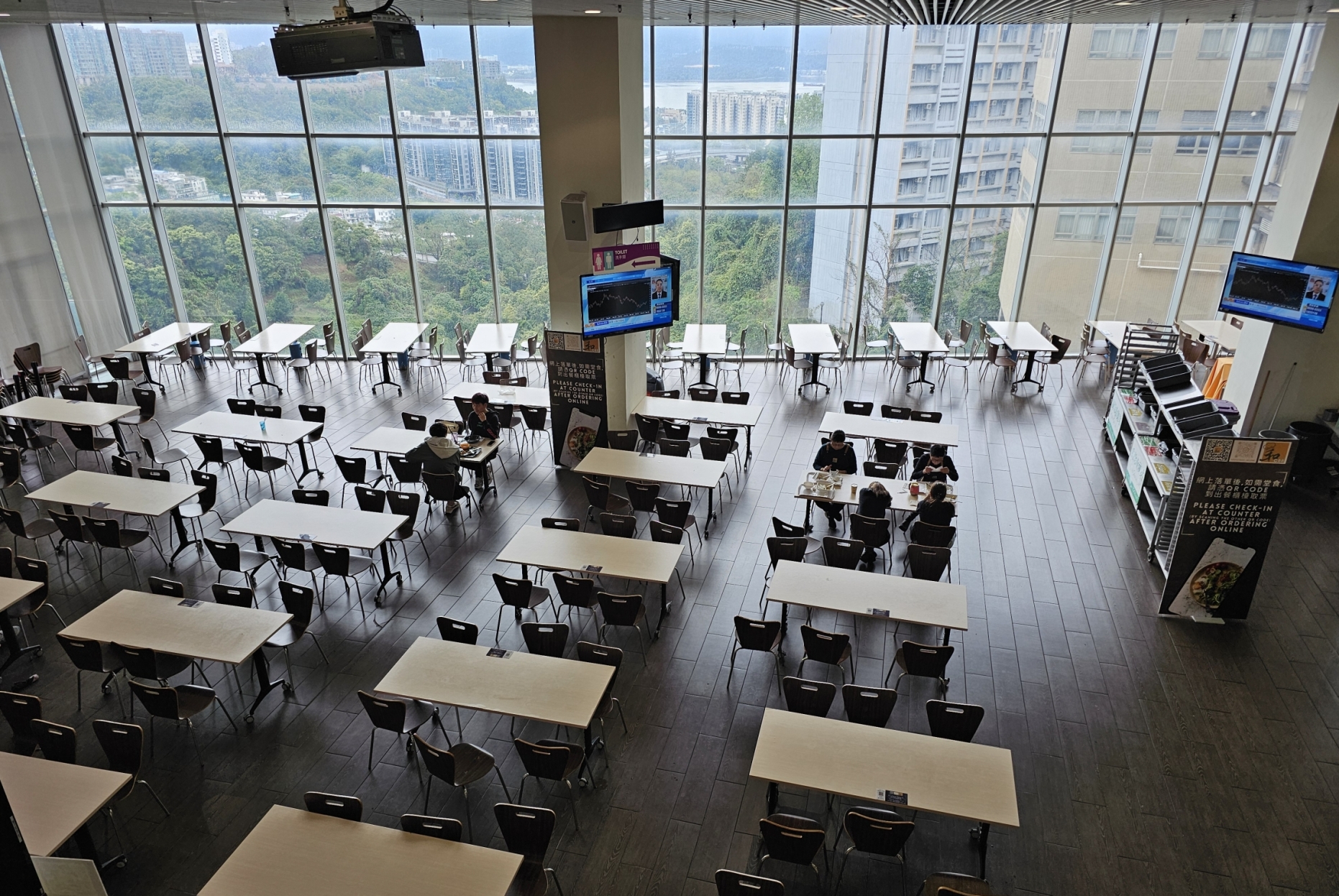
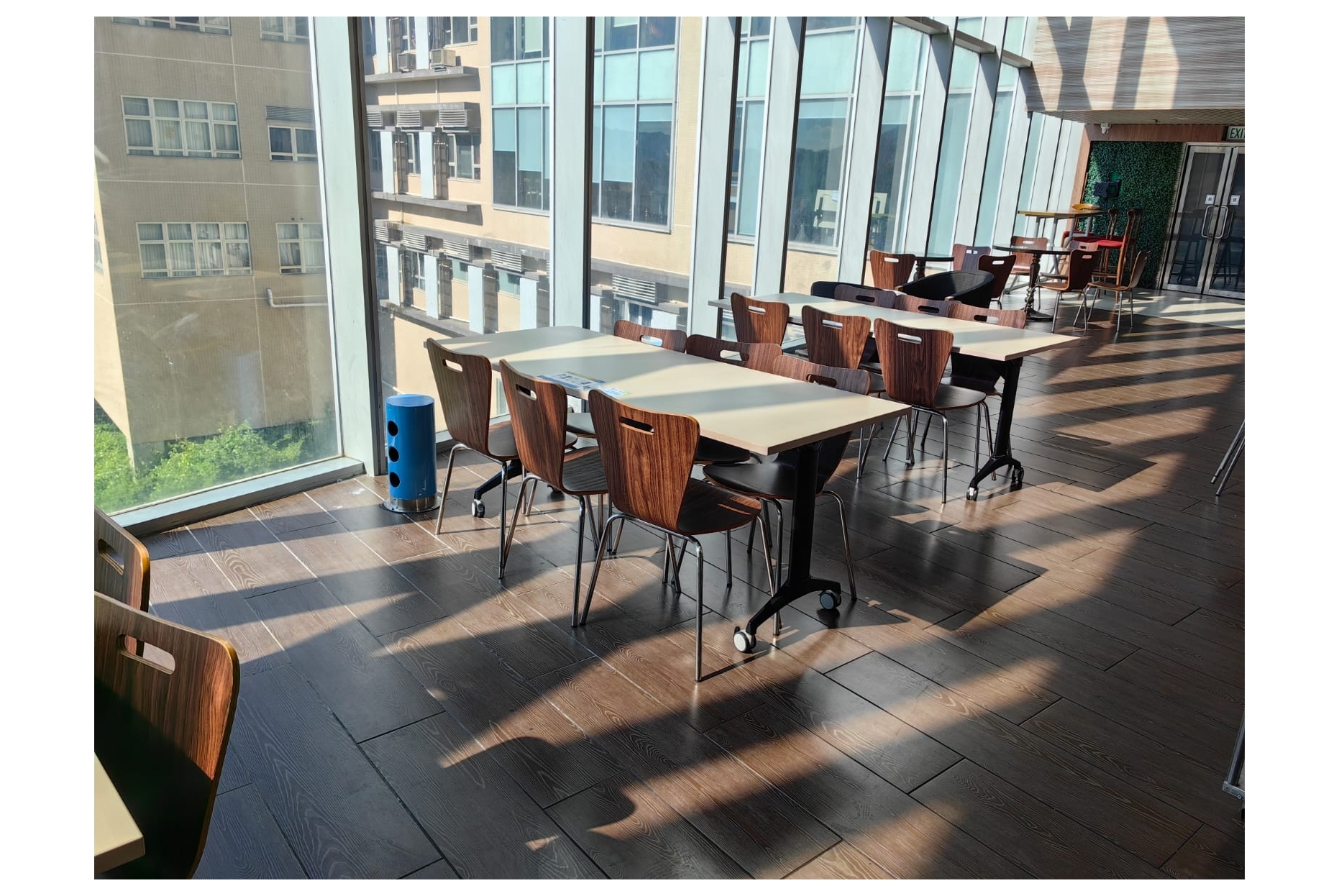
During peak hours, the university canteen experiences high foot traffic. Oil fumes, food odours, and humidity are relatively heavy. Combined with the strong exhaust volume from the kitchen, clear negative-pressure zones appear. The space is also open and has many entrances/exits that cannot be frequently closed, resulting in relatively poor air quality. Traditional air-conditioning is therefore unable to effectively cool or ventilate the space.
By adopting a fresh-air system, the overall environmental quality of the canteen can be improved, making the dining experience more comfortable and healthier.
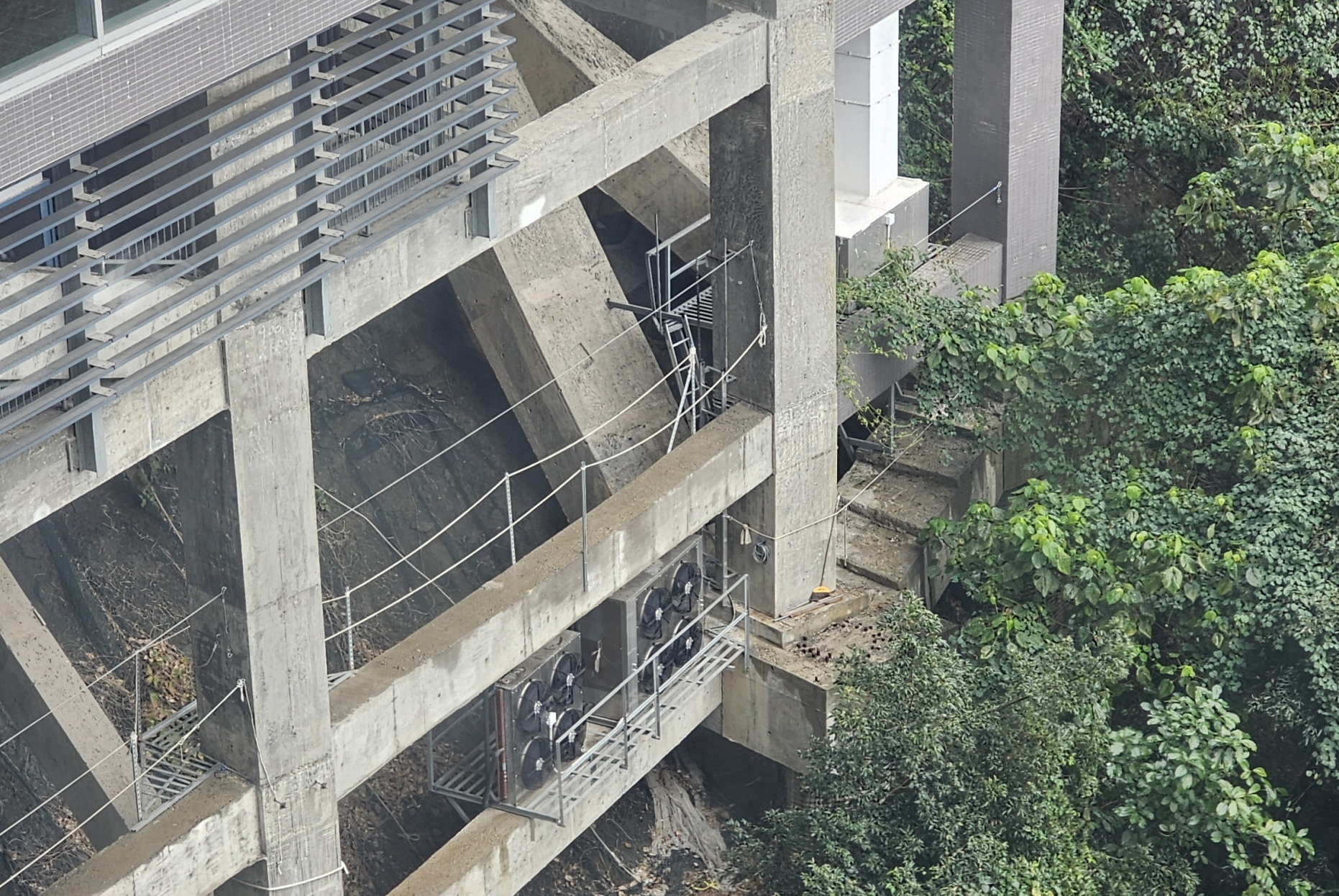
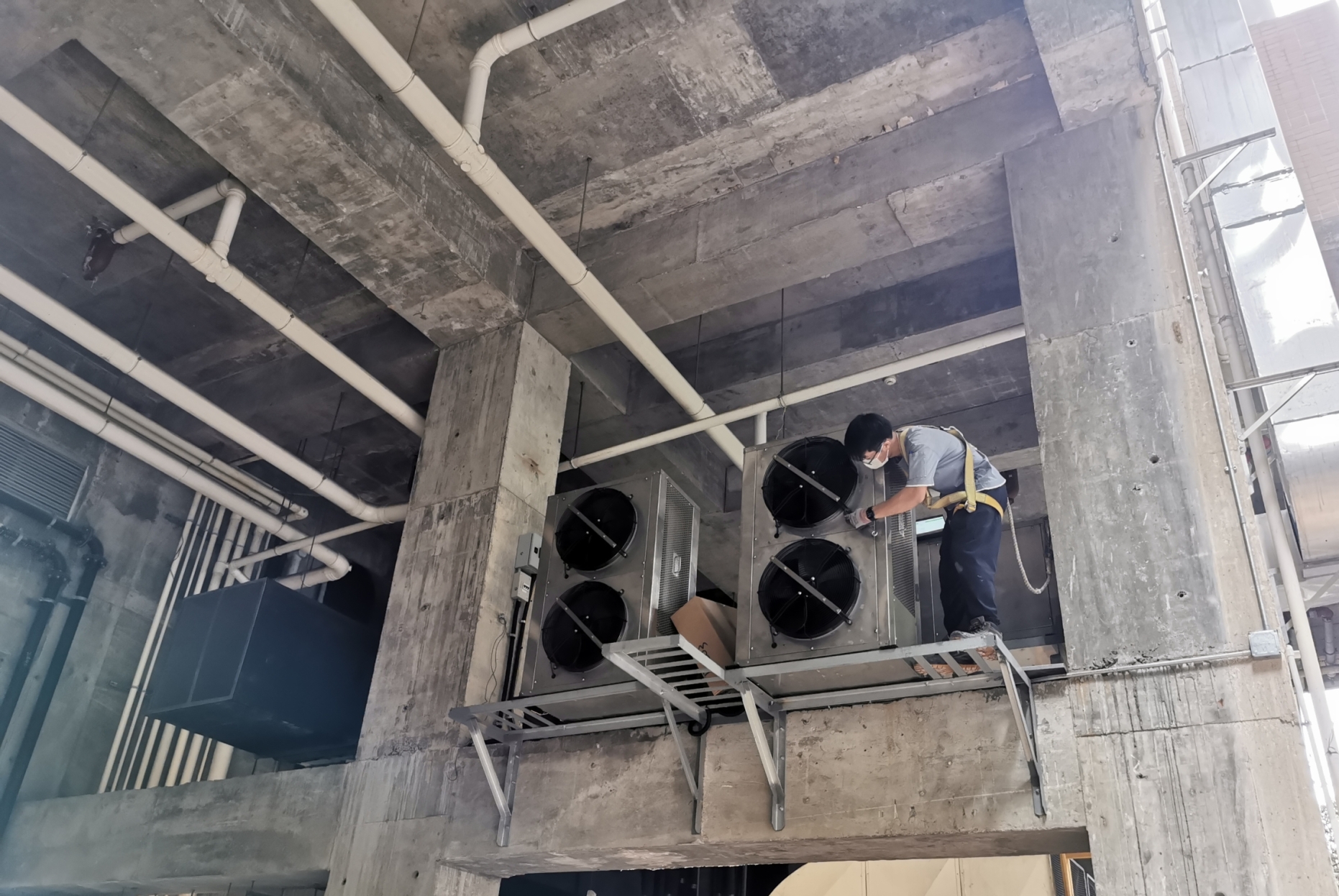
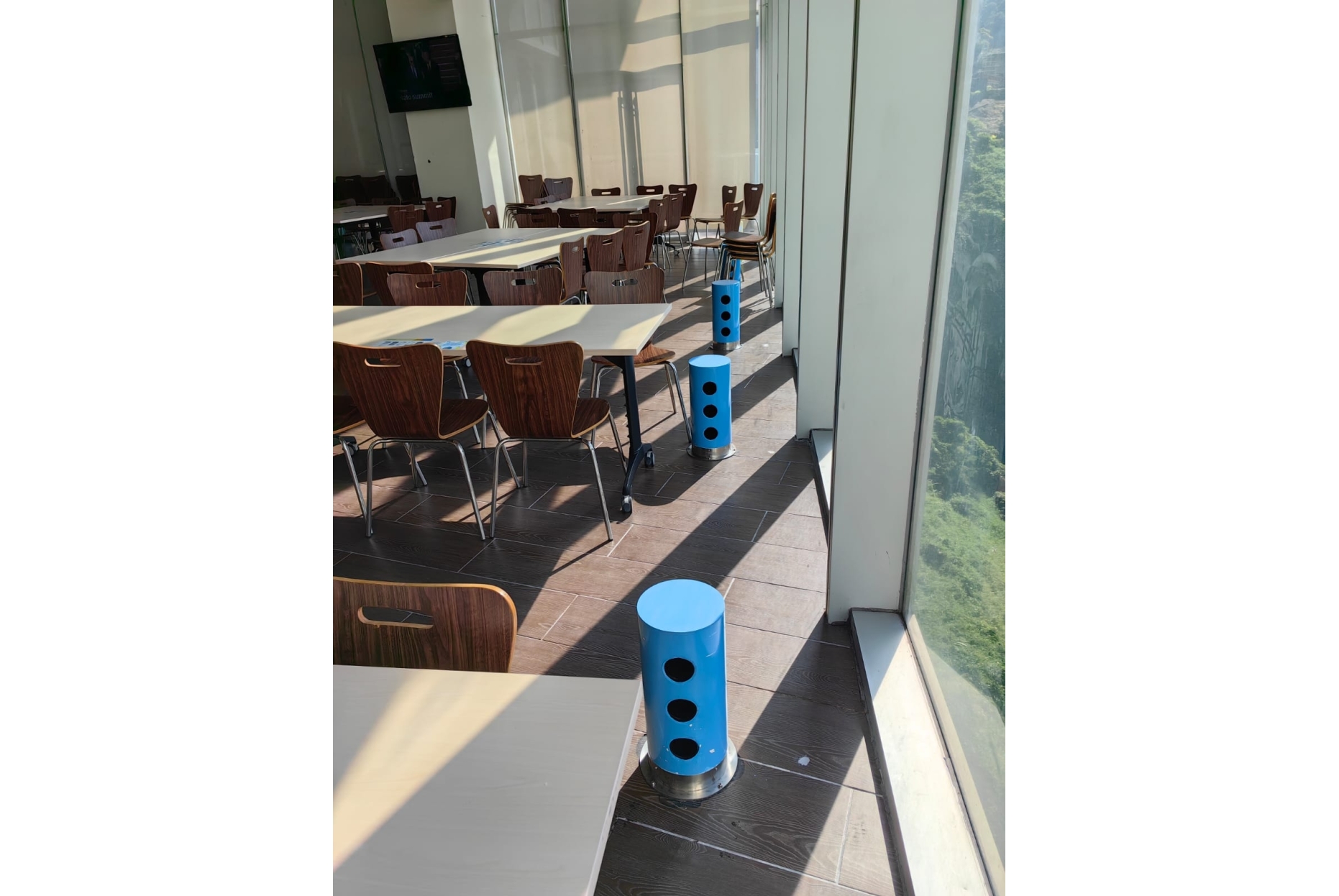
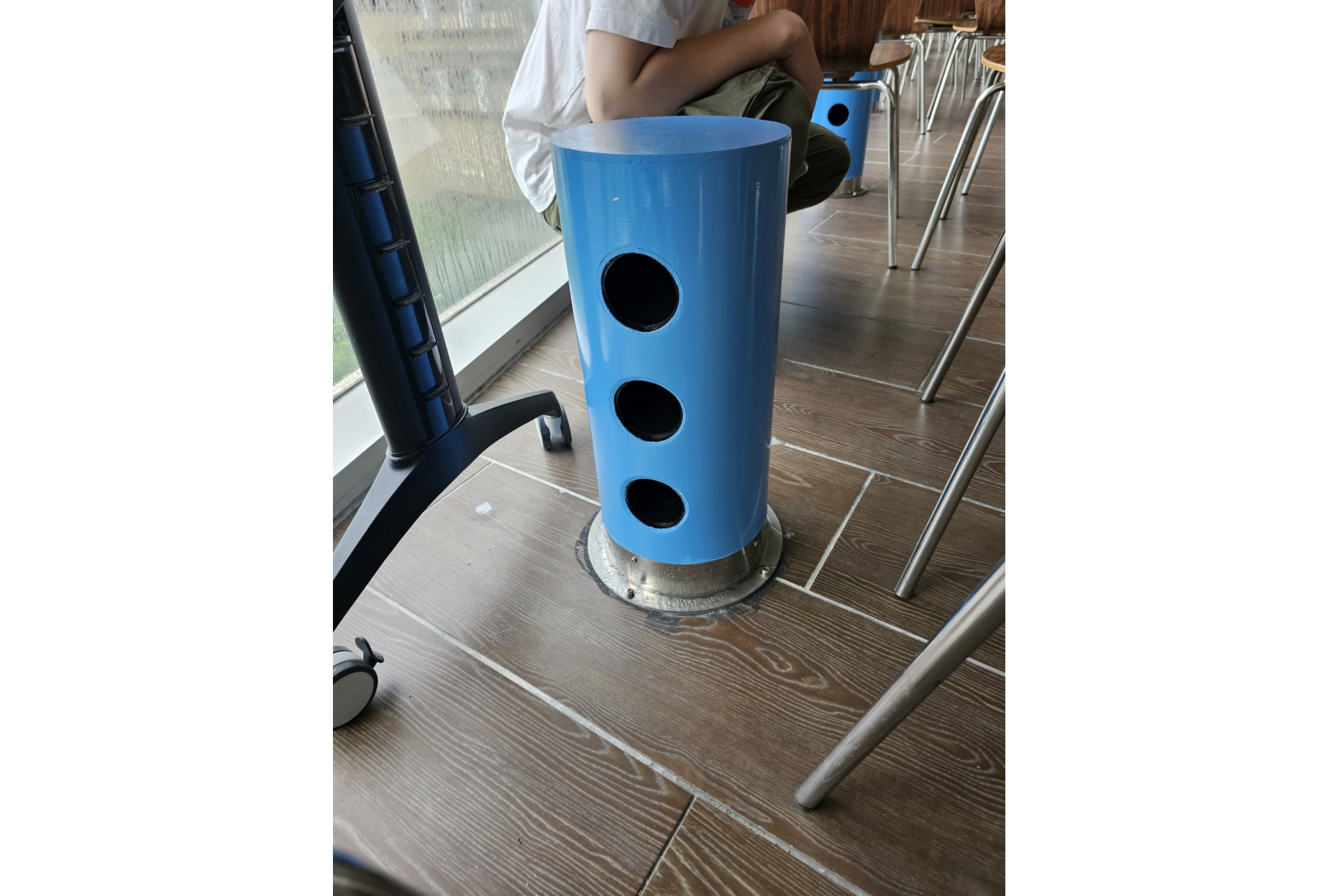
The system uses pre-cooling combined with deep dehumidification technology. Fresh air is drawn in from outdoors, pre-cooled and deeply dehumidified, then supplied indoors under positive pressure. Even with an open-kitchen design, and when doors and windows are wide open, or the kitchen exhaust hoods are running at full capacity during peak dining hours, the indoor environment remains cool and dry without becoming stuffy or humid.
The system also effectively reduces the original air-conditioning load, improves air circulation and freshness, and integrates IoT technology. This allows real-time monitoring of air data, system performance, and environmental indicators, facilitating remote management and optimisation.
Key Results
The fresh-air system can deliver approximately 26–40% energy savings, reducing electricity consumption by about 44,076 kWh per year. The payback period is around 3 years.
Through pre-cooling, deep dehumidification and positive-pressure fresh-air design, the air-conditioning load is effectively reduced, and highly efficient energy utilisation is achieved. Even when the air-conditioning is set to 24°C, or turned off during non-peak periods, the indoor temperature can still be maintained at around 27°C, which is superior to the traditional low-temperature air-conditioning mode.